- Blog Details
Early Signs of Gum Disease? Get Gum Disease Treatment in Parramatta Now!
Gum problems often begin quietly. A little bleeding while brushing, mild bad breath, slight gum sensitivity may not seem serious initially. And if you want to save your teeth, your gums or overall oral health you should seek a professional Gum Disease Treatment in Parramatta at the right time.
Gum disease is one of the most common dental conditions affecting adults. The good news is that early treatment can prevent such events happening later down the road and the damage back from occurring if it starts from the beginning rather than late in the road
.
Recognizing the signs and then knowing when to see a dentist, can really have a positive impact not only right now, but your long-term oral hygiene as well.
What Is Gum Disease?
Gum infection (or periodontal disease) The condition is a progressive ailment caused by dental diseases that cause the teeth to lose their internal structure and make them weak. It’s usually caused by plaque buildup along the gumline. Plaque has bacteria within it that irritate the gums and may cause inflammation.
Gum disease can be divided into two main stages:
Gingivitis.
Gingivitis is the first phase of gum disease. It leads to redness, swelling and bleeding of the gums, particularly during brushing or flossing. The damage is often reversible with adequate dental care and good oral hygiene at this point.
Periodontitis.
Gingivitis left untreated can progress into periodontitis. This more serious condition can damage the bone and tissues supporting the teeth. In severe cases teeth may become loose or even fall out. Getting timely Gum Disease Treatment in Parramatta can aid in preventing the decline of gingivitis to become advanced periodontal disease.
Common Early Signs of Gum Disease
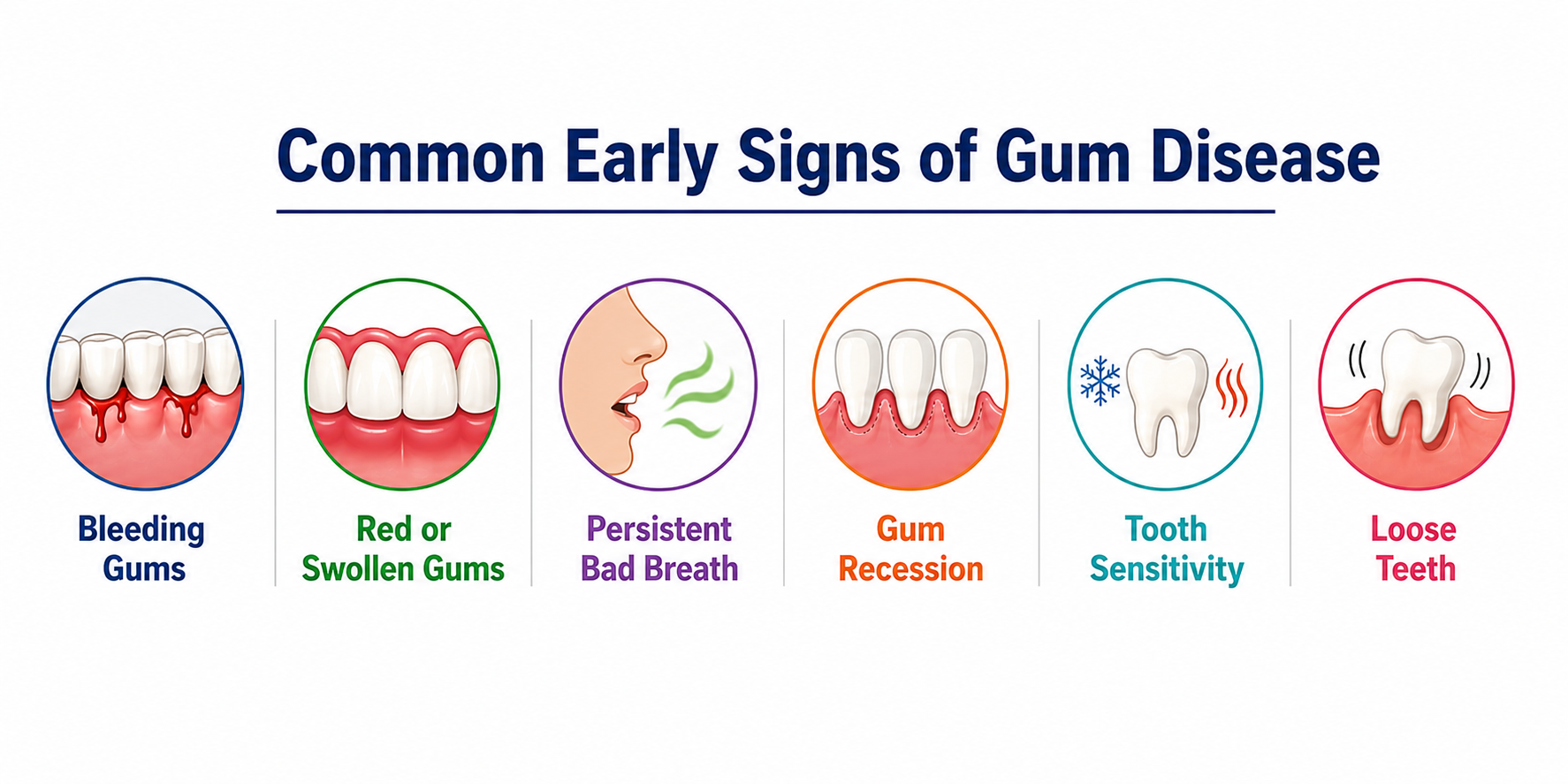
The symptoms in the beginning can be mild, and therefore most people don’t know they have gum disease. Seeing early signs of your gums will guide you towards seeking treatment before things get worse.
Bleeding Gums.
Healthy gums should not bleed while brushing or flossing. Frequent bleeding is one of the earliest symptoms of gum disease and should not be overlooked.
Red or Swollen Gums.
Inflamed gums tend to look darker red and feel tender or swollen. This occurs as bacteria irritate the gum tissues.
Persistent Bad Breath.
Continuous bad breath that doesn’t improve with brushing or mouthwash may show bacterial buildup below the gumline.
Gum Recession.
If your teeth appear longer than before, your gums may be receding. Gum recession can expose sensitive tooth roots and may exacerbate the risk of tooth damage.
Tooth Sensitivity.
Gums draw away from teeth exposing roots, resulting in sensitivity to hot, cold, or sweet foods.
Loose Teeth.
As gum disease progresses, it might weaken the structures supporting your teeth, leading to movement or looseness. If you find any of them, making an appointment for Gum Disease Treatment in Parramatta will help us save you on your health care journey.
What Causes Gum Disease?
A host of factors can put someone at risk for gum disease. Knowing these causes can provide preventive measures.
Poor Oral Hygiene.
Poor brushing and flossing help keep plaque and bacteria in place around the teeth and gums.
Smoking and Tobacco Use.
Smoking reduces immune function and the body’s capacity to effectively heal gum tissue.
Diabetes.
Infections such as gum disease are more commonly seen in people with diabetes.
Hormonal Changes.
Pregnancy, menopause and other hormonal changes can make gums more sensitive and susceptible to inflammation.
Stress.
Under stress, the immune system weakens and it becomes more difficult for the body to fight infections.
Genetics.
The genetic risk of periodontal disease can be increased in some people. The professional dentists can inspect and recommend the appropriate Gum Disease Treatment in Parramatta based on your oral health requirements.
Why Early Gum Disease Treatment is Important.
Over time, untreated gum disease may result in more serious dental issues. Many important advantages to early treatment.
Helps Prevent Tooth Loss.
In advanced gum disease, there is damage to the bone that supports the teeth. With early dental care we can save these structures and reduce the chances of tooth loss.
Protects General Health.
Studies have found that gum disease leads to a range of different health problems such as heart disease, diabetes complications and respiratory issues. Good gum leads to better overall health.
Reduces Future Dental Costs.
Treating gum disease at this stage can usually be more straightforward and cost-effective compared to treating more advanced periodontal disease.
Improves Comfort and Confidence.
Healthy gums ease discomfort, freshen the breath, and help build a confident smile.
Professional Gum Disease Treatment in Parramatta.
Dentists have various approaches toward the treatment of gum disease depending on the type and severity of the disease. Diagnosis in the early stage may provide a more conservative treatment.
Professional Dental Cleaning.
For mild gingivitis, a professional cleaning removes plaque and tartar buildup that are impossible to remove through regular brushing alone.
Scaling and Root Planing.
This deep cleaning procedure removes bacteria and tartar from below the gumline while smoothing tooth roots to help gums heal properly.
Antibacterial Treatments.
Dentists may suggest antibacterial mouth rinses or medications to decrease infection and inflammation.
Periodontal Maintenance.
Patients with gum disease history may have to undergo regular periodontal maintenance visits to avoid re-occurring disease.
Advanced Periodontal Procedures.
In extreme situations, surgery will need to be done to rehabilitate infected structures or repair gum damages. Selecting the right experts to care for your oral health in Parramatta for Gum Disease Treatment will enable you to experience the personalised care that a professional can provide for better oral health and enhanced comfort.
How to Prevent Gum Disease.
Prevention is always better than treatment. Adopting good oral hygiene habits can greatly reduce your risk of gum disease.
Brush Twice Daily.
Cleaning your gums and teeth effectively with a soft-bristled toothbrush and fluoride toothpaste.
Floss Every Day.
Flossing eliminates plaque and food materials from areas that your toothbrush cannot touch.
Visit Your Dentist Regularly.
Routine check-ups and professional cleanings are common to detect gum disease from an early stage of development, long before chronic disease.
Avoid Smoking.
Smoking cessation improves gum health and promotes better healing.
Eat a Balanced Diet.
Strong gums and good oral conditions of the mouth are aided by a healthy diet rich in vitamins and minerals.
Stay Hydrated.
Drinking water can help wash away food particles and bacteria from the mouth. Regular dental visits and continual preventive care can minimize the demand for significant Gum Disease Treatment later in Parramatta.
When Is the Time to Visit a Dentist?
Many patients push off dental visits until symptoms are severe. But early treatment usually leads to a better treatment result. Make a dentist appointment if you get:
- Bleeding gums when brushing or flossing.
- Swollen or painful gums.
- Persistent bad breath.
- Gum recession.
- Loose teeth.
- Tooth sensitivity.
A dental professional can inspect your gums, recognize the phase of gum disease, and recommend an appropriate treatment plan for you.
Final Thoughts.
Gum disease can begin with low-key signs that are difficult to identify. Bleeding gums, bad breath, and sensitivity to other substances can seem minor, but they indicate a bigger problem in our teeth.
Getting early Gum Disease Treatment in Parramatta can keep that from occurring and keep your teeth healthy for the long run. Healthy gums help to create good teeth, fresh breath, and a healthy life.
With regular dental care, good oral hygiene, and the right professional treatment in time when your teeth look healthy. For folks who have seen signs of changes to their gums, or without a dental visit recently, perhaps now is the opportune time not to overlook your oral health and get professional help.
Frequently Asked Questions
Gums that look bad, bleed, become red, become swollen, have bad breath, and are sensitive to touch. Gum recession or pain can also become clear in people when they brush or floss their teeth. Early treatment may help in preventing it from becoming more serious.
No. Gum disease usually does not go away without good dental care. Mild gingivitis often improves with good oral hygiene and professional cleaning, but more severe gum disease requires professional attention to control infection and protect the gums and teeth.
The majority of gum disease treatments are intended to be as comfortable as they can. Professional cleanings are performed commonly as well as deep cleaning procedures but with techniques that minimise the discomfort. If more advanced treatments require local anaesthesia, your dentist may also recommend it.
How long does treatment for gum disease take?
Yes, untreated gum disease can harm the bone and tissues that sustain the teeth. This can eventually result in loose teeth or tooth loss. Early Gum Disease Treatment in Parramatta will protect your teeth thus preventing long-term complications.
You can try to reduce your risk of getting gum disease by brushing twice every day, flossing regularly, practicing good oral hygiene, seeking regular gum check-ups, avoiding smoking, and following good food habits. Professional cleanings which take place regularly also help keep your gums well.
Related Post
Our Excellence and Awards!






Our Special Offer