
- Blog Details
Gum Recession Treatment: Causes, Options and What to Expect
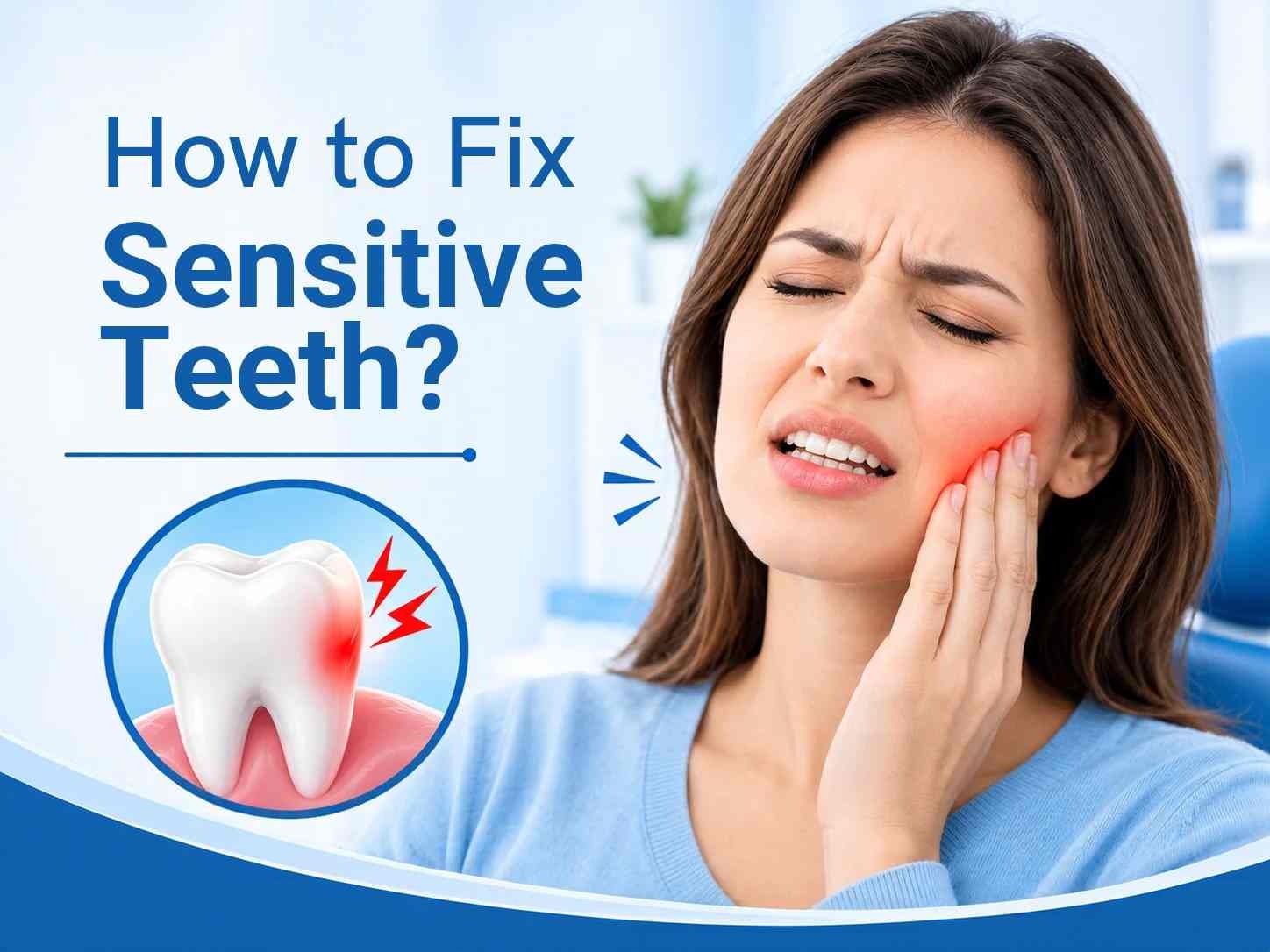
Do your teeth look longer than they used to? Does it sting when you drink something cold? These are common early signs of gum recession — the gums pull back exposing more of the tooth. It usually happens slowly so many people don’t notice until sensitivity or changes in appearance appear. But gum recession treatment is possible and the earlier you start the easier it usually is.
What Is Gum Recession?
Gums form a protective collar around each tooth. When the tissue shrinks or wears away then the root surface is exposed. Unlike the crown of the tooth, the root does not have a hard enamel coating so it is much more vulnerable to decay, wear and sensitivity.
Gum tissue doesn’t grow back on its own. Once it recedes naturally, it will not come back so professional assessment is important.
What Causes Gums to Recede?
Several factors can be involved and usually more than one:
-
Gum disease: Bacterial infection destroys gum and bone supporting your teeth. It is one of the leading causes of recession.
-
Aggressive brushing: Scrubbing hard or using a firm bristled brush can wear the gum edge away over time.
-
Poor oral hygiene: Plaque that hardens into tartar irritates the gums and causes them to pull back.
-
Teeth grinding or clenching: Too much pressure on the teeth can cause gum and bone to be stressed.
-
Crooked teeth or a misaligned bite: Uneven forces can put more strain on certain areas of the gums.
-
Thin gum tissue: Some people are born with thinner gums (which recede more easily).
-
Smoking and tobacco use: These reduce blood flow to the gums and increase plaque build-up.
-
Lip or tongue piercings: Jewellery can rub against gum and damage it.
Signs You May Need Help
Gum recession often develops slowly. Look for:
Signs Your Teeth Are Falling Out
-
Teeth that look longer or have a notch near the gumline.
-
Hot, cold or sweet food sensitivity.
-
Red, swollen or bleeding gums.
-
Persistent bad breath.
-
Visible roots or rough edges that you can feel with your tongue. Loose teeth in more advanced cases.
If any of these occur then a dental examination will show how far the recession has gone and what is driving it.
Gum Recession Treatment Options
Which treatment is best depends on the cause and severity of recession. Your dentist will measure gum levels around each tooth and may recommend one or more of the following.
Mild Recession
If recession is mild the aim is to stop it getting worse and relieve symptoms.
-
Professional cleaning: Plaque and tartar removal reduces inflammation and gives gums a chance to stabilise.
-
Better brushing technique: Change to a soft-bristled brush or electric brush with pressure sensor. The gum line is protected.
-
Desensitising products: Special toothpastes and fluoride treatments reduce pain from exposed roots.
-
Dental bonding: Tooth-coloured resin can be used to cover exposed root surfaces and protect them (appearance too).
Recession Caused by Gum Disease
If infection is behind it, then it has to be treated first or the gums will keep receding.
Scaling and root planing (deep cleaning) removes bacteria under the gum line and smooths the root surfaces so tissue can reattach. This kind of gum disease treatment is often the first step before any repair work is considered.
Moderate to Severe Recession
If a lot of tissue has been lost surgical options can be used to protect the teeth again.
-
Gum grafting: Tissue is taken from another part of the mouth (or donor material used) and placed over exposed root. This is the most established way to rebuild lost gum.
-
Pinhole technique: Less invasive option where the existing gum is gently loosened through a small opening and repositioned over the exposed root (usually less painful and heals faster than grafting).
-
Regeneration procedures: Where bone has also been lost special membranes or proteins may be used to stimulate new tissue growth.
The Cause Must Be Corrected
Treating the visible damage is only part of the picture. If grinding is the cause then a custom night guard can relieve pressure on the teeth. If crooked teeth are causing recession orthodontic treatment may help. Recession will return if the cause isn’t corrected.
Can Receding Gums Grow Back?
Not naturally But gum recession treatment covers exposed roots, protects the teeth and in many cases stops the problem from getting worse. Mild cases can often be treated without surgery, more advanced ones require grafting. Early action in both situations widens your options and makes treatment less invasive.
Recovery and Aftercare
After a grafting procedure (eg) most people are back to normal activities within a few days but the gums need two weeks to heal well so during that time:
-
Soft, cool foods only.
-
Don’t brush the treated area until your dentist tells you to.
-
Use any prescribed mouth rinse.
-
Don’t smoke — it slows healing down.
-
Go to follow-up appointments so healing can be monitored.
How To Protect Your Gums Long Term
Prevention is easier than repair. A few habits make a difference:
-
Brush gently twice a day with a soft brush and fluoride toothpaste.
-
Clean between your teeth daily with floss or interdental brushes.
-
If you smoke quit (or get help to quit).
-
Wear a mouthguard for contact sports and a night guard if you grind.
-
Go to the dentist for check-ups and cleans every six months.
Regular visits let early signs of recession be spotted and monitored before they cause damage.
Choosing the Right Gum Recession Treatment
No single option suits everyone. A careful examination, including gum measurements and sometimes X-rays, helps determine why your gums are receding and which approach will protect your teeth best. Be wary of waiting to see if things improve. Gum recession rarely reverses on its own, and untreated cases can lead to root decay, worsening sensitivity and even tooth loss.
Final Thoughts
Receding gums are common, but they are not something you have to accept. From simple changes in brushing to advanced surgical repair, there are proven ways to protect your teeth and restore a healthy gum line. The sooner you seek advice, the more conservative and comfortable your treatment is likely to be.
If you have noticed your gums pulling back or your teeth becoming sensitive, don't wait for it to progress. Contact us today, as we are a trusted dentist in Parramatta.
Related Post
Our Excellence and Awards!






Our Special Offer